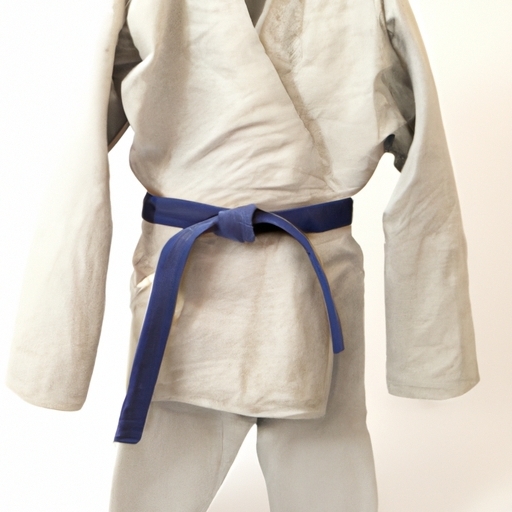
Historic advancement of Judo uniforms
The evolution of judo attires, likewise called 'judogi', is an interesting journey that mirrors the growth of judo itself, from a martial art to an international competitive sport. What Is the Secret Behind Our Judo Attire's Unrivaled Comfort and Longevity? . The secret behind the comfort and sturdiness of modern-day judogi hinges on their historical development, which has actually been shaped by the needs of judo experts to have a garment that can endure the roughness of regular and extreme practice while permitting optimum flexibility and comfort.
The origins of the judogi can be traced back to the late 19th century when judo's creator, Dr. Jigoro Kano, sought to produce an uniform that would certainly appropriate for the vibrant and physical nature of judo training. Kano took motivation from traditional Japanese garments and the outfits put on in other martial arts, such as the keikogi utilized in Kenjutsu.
The early judogi was made from cotton and was much lighter and much less sturdy than today's variation. As judo progressed and came to be more popular, the requirement for a more resilient and standard uniform became apparent. The practice of judo includes duplicated drops, grabs, and throws, which put a significant quantity of stress and anxiety on the garment. As a result, the fabric needed to be robust enough to withstand tearing while likewise enabling the judoka (judo professional) to move freely.
To resolve these needs, the judogi was upgraded with a thicker and more durable cotton weave. The trousers and coat came to be enhanced in locations that experienced the most stress, such as the knees and the collar. The judogi's coat, known as the 'uwagi', was made much longer and with wider sleeves to help with the gripping methods that are an essential part of judo. The trousers, or 'zubon', were likewise made with additional space and strengthened sewing to accommodate the dynamic activities and give longevity.
One of the crucial advancements in the historic growth of the judogi was the intro of the 'rice-grain' weave. This pattern not just raised the strength and sturdiness of the material yet likewise offered a much better gripping surface, which is essential during judo strategies. Makers experimented with different weaves and products, ultimately causing the double weave and solitary weave alternatives offered today, which judoka select based upon their preference for density and weight.
Comfort, also, saw enhancements in time. The layout of the judogi was continuously improved to enable greater variety of movement and lower chafing and pain. This was achieved by adjusting the cut of the attire and the positioning of seams, as
Products and textile option for unequaled comfort
The trick to the unparalleled convenience and resilience of our judo attires hinges on the careful selection of materials and material choices, which are tailored to the requirements of judo professionals. Judo, a fighting style that includes grappling, throws, and ground fighting, requires a consistent or gi that can endure strenuous training and competitors while supplying optimum comfort to the professional athlete.
Our judo attires are crafted from high-quality cotton, a natural fiber recognized for its breathability and capacity to wick dampness away from the skin. This is crucial in a sporting activity where athletes exert themselves literally, as it maintains them completely dry and comfortable throughout session and matches. The cotton made use of in our attires is not just any kind of ordinary cotton; it is a meticulously chosen, heavyweight textile that provides a balance in between thickness and softness, making certain that the attire is both resilient and gentle on the skin.
In addition to the quality of the cotton itself, the weave of the textile is of extremely important importance. Our judo gis feature a rice-grain weave for the jacket, which not only boosts durability by distributing anxiety uniformly throughout the material however likewise gives a textured grip for challengers. This is a key element for judo methods that call for gripping the opponent's uniform. The trousers are made with an enhanced double-knee design, using a durable twill fabric that stands up to tearing and supplies additional cushioning for the knees throughout groundwork.
The cut of the attire is created to provide unrestricted activity, with sufficient room in the shoulders and a tapered midsection to prevent excess product from hindering movement or supplying simple handholds for the opponent. The seams and hems of our judo attires are double-stitched, a reinforcement strategy that ensures they can sustain the pulling and extending integral in judo training without splitting up.
Moreover, our judo uniforms go through a preshrinking procedure, which decreases dimension adjustments after cleaning and keeps the fit of the gi gradually. This attention to detail in pre-treatment adds to the longevity of the attire, making certain that it retains its shape and comfort for a long term duration.
To conclude, the unparalleled convenience and toughness of our judo uniforms are not a result of a solitary aspect but a mix of carefully selected products, specialized textile weaves, and a thoughtful style that prioritizes the athlete's range of movement and convenience. By buying such premium building and construction, we supply judo professionals with an uniform that not only withstands the needs of the sporting activity yet also improves their general experience on the floor covering.
Weaving strategies and support for longevity
The trick behind the unequaled comfort and sturdiness of judo uniforms, additionally known as judogis, lies in the intricacies of their weaving strategies and the tactical support of the garment. Judo, a martial art that includes grappling, tossing, and entry, demands an attire that can endure extreme physical activity while allowing flexibility of activity.
The judogi is developed with a thick collar and a robust collection of pants, typically made from a cotton mix. This selection of textile is crucial for absorbing sweat and giving enough friction for clutching, which is a fundamental facet of judo methods. The special weaving techniques employed in the manufacturing of judogis are central to their resilience.
One common weaving technique made use of is the rice-grain weave, also called Sashiko weave. This method entails stitching patterns that appear like grains of rice. This kind of weave gives a balance in between thickness and flexibility, guaranteeing that the judogi is strong without being extremely stiff. The rice-grain weave is typically found on the upper component of the judogi, where most of the gripping and drawing happens, offering judokas the important hold they require while maintaining the garment's stability.
One more weaving technique is the ruby or waffle weave, which is lighter and utilized in less-stress locations, such as the reduced part of the coat. This approach allows for breathability and adaptability, adding to the convenience of the professional athlete.
In regards to support, judogis have extra layers of material and stitching in locations vulnerable to anxiety and wear, such as the knees, shoulders, breast, and collar. The knees might have additional padding to shield the judoka throughout drops and foundation. Similarly, the collar is made with several layers of tightly woven fabric, making it challenging for an opponent to hold, while likewise guaranteeing it does not tear quickly.
Dual and three-way sewing is used along the joints and sides of the judogi. This not just boosts the durability of the uniform but likewise makes certain that it maintains its shape and structure even after repeated usage and cleaning. The reinforced joints likewise protect against tearing throughout the pulling and yanking that takes place in judo suits.
In summary, the trick behind the comfort and resilience of judo attires depends on the specialized weaving methods that supply a balance between stamina and versatility, coupled with strategic reinforcement in high-stress locations. This mix makes certain the judogi can endure the rigours of the sporting activity while offering the professional athlete optimum comfort and wheelchair, which are crucial for efficiency in judo.
Ergonomic layout for liberty of activity
Ergonomic design for flexibility of movement is a crucial element that contributes to the unrivaled comfort and longevity located in top notch judo uniforms, likewise known as judogis. The secret behind this depends on comprehending the vibrant nature of judo as a martial art and the need for a garment that can withstand strenuous training and competition while permitting athletes to perform at their ideal.
Judo is a martial art that calls for a blend of dexterity, versatility, and stamina. Participants have to have the ability to move easily, carrying out throws, pins, and grappling strategies without constraint. This is where ergonomic layout enters into play. An ergonomically made judogi is customized to the all-natural shapes and activities of the body, thinking about the variety of activity required for judo techniques.
To achieve this, developers concentrate on a number of crucial aspects:
1. Material: The fabric made use of in a judo uniform need to be both strong and versatile. Usually, a premium cotton or cotton-blend is used, using the appropriate equilibrium in between longevity to withstand tearing during grips and pulls, and softness to make certain convenience versus the skin.
2. Reinforcement: Stress and anxiety factors such as the knees, shoulders, and upper body areas are usually enhanced with added layers of material or tighter sewing. This not only extends the life-span of the attire yet additionally gives professional athletes with the self-confidence that their garment won't fail them in the heat of activity.
3. Cut and Fit: An ergonomically made judogi is reduced with the judoka's movement in mind. Wider at the shoulders, with area for the arms to maneuver, and a much more customized waist makes sure the uniform stays in area without being overly restrictive. Sleeves and trousers are developed to allow for complete expansion and bending of limbs without pulling or bunching.
4. Breathability: Judo can be a high-intensity sport bring about significant perspiration. Ergonomic style additionally attends to the demand for breathability, integrating vents or utilizing weave methods that allow air to distribute, helping to regulate body temperature and maintain the athlete comfortable.
5. Flexibility: While a judogi needs to be durable, it has to likewise have a level of versatility. This is frequently achieved via the weave of the material. A judogi with a great balance of rigidness and flexibility permits freedom of activity while maintaining its shape and stability.
The mix of these style principles results in a judo uniform that supplies professional athletes with the liberty to relocate explosively and react promptly, which is essential in a sporting activity
Quality control and screening in the production process
The secret behind the unparalleled comfort and sturdiness of our judo attires hinges on the strenuous quality control and testing that is indispensable to our manufacturing procedure. To make sure that each judo gi fulfills the highest possible standards, we carefully look at every stage of production, from the selection of raw materials to the final stitching of the garment.
Quality control starts with the careful choice of materials. We choose just the finest cotton blends that offer an excellent balance between gentleness and strength. The material should be breathable to ensure comfort throughout intense training and competitors while being adequately durable to sustain the rigors of grappling and throwing techniques.
As soon as the material is selected, it undergoes a collection of examinations to verify its weight, consistency, and colorfastness. This guarantees that the fabric will keep its shape and hue even after plenty of washes and exposures to the difficult conditions of judo practice.
The cutting and assembly of the uniform are done with precision and treatment. Patterns are designed to supply a tight yet adaptable fit, permitting a full range of activity without the risk of tearing. Quality control professionals look after the cutting process to assure that each item is identical and satisfies the suggested dimensions.
Sewing is a critical stage where additional interest is paid to the seams and supports in locations prone to stress and anxiety, such as the shoulders, knees, and collar. Our judo attires include strengthened sewing that not only enhances durability but also adds to the general convenience by stopping chafing and inflammation.
Prior to any kind of uniform leaves the factory, it must pass a comprehensive examination. This consists of monitoring for any problems in the sewing, making sure the attire is without any type of loosened threads or irregularities, and validating that it fulfills all the size specifications. The final product is likewise subjected to a wear-and-tear simulation to resemble the conditions of real-life usage, making sure that the uniform can withstand the demands of judo training and competitors.
Our dedication to quality assurance and screening implies that when a judo specialist wears one of our attires, they can trust that it will perform remarkably in terms of comfort and durability. Every uniform is a testament to our devotion to quality, and it is this undeviating commitment that sets our judo attires apart in the fighting styles apparel industry.
Maintenance and treatment suggestions for durability
The key behind our judo attire's unparalleled comfort and sturdiness lies in the mindful choice of materials, thorough style, and accuracy in manufacturing. To make certain that you obtain the most out of your judo gi and keep its extraordinary qualities, right here are some upkeep and treatment suggestions to consider:
1. Cleaning Directions-- Always follow the washing guidelines supplied with your judo attire. Usually, cleaning in chilly water is suggested to avoid contraction and preserve the textile's stability. Utilize a mild cleaning agent that is without bleach and various other rough chemicals that can degrade the material.
2. Staying Clear Of Too Much Heat-- Never ever clean or dry your judo gi on high warm. High temperatures can cause the fabric to deteriorate and reduce. Air drying out is the very best practice, as it is mild on the fibers and aids preserve the uniform's form. If you should make use of a clothes dryer, choose the lowest heat setting.
3. Proper Drying-- After cleaning, carefully squeeze out excess water without wringing, as this can harm the textile. Hang your judo gi in a well-ventilated area far from direct sunshine, which can create fading and compromise the textile.
4. Storage-- Shop your judo uniform in a cool, dry location. Avoid wet locations that can encourage the growth of mold and mold. Folding your gi nicely will help stop unnecessary creases and protect its type.
5. Immediate Focus to Stains-- If you get a tarnish on your judo attire, address it immediately. Pre-treat the discolor with a mild tarnish eliminator prior to washing. Stay clear of using unpleasant scrubbing, which can damage the material.
6. Normal Evaluation-- Consistently inspect your judo gi for any signs of deterioration, such as loosened strings or fraying. Early detection of these concerns can allow for fixings prior to they come to be significant troubles, expanding the life of your uniform.
7. Use Material Conditioners-- It's typically encouraged to avoid textile conditioners, as they can leave a residue that may reduce the fabric's capability to wick away moisture and can also deteriorate the fibers with time.
8. Rotating Attires-- If you practice judo frequently, take into consideration having more than one attire to rotate in between sessions. This provides each gi adequate time to rest and completely dry, lowering stress and anxiety on the textile and prolonging the life of each uniform.
By following these upkeep and care suggestions, you will certainly make sure that your judo uniform remains in leading problem, offering the exact same level of convenience and toughness